Over time you may notice frequent cycling, strange burning odors, or refrigerant leaks, signs that your AC requires immediate attention to protect your comfort and safety. Watch for uneven cooling, rising energy bills, or water pooling and act promptly; contacting a licensed technician ensures fast repairs to restore efficiency and prevent costly breakdowns.
Key Takeaways:
- Strange noises (clanking, grinding), weak airflow, or warm air – signs of motor, compressor, or duct problems that need prompt inspection.
- Short-cycling, frequent thermostat trips, or sudden spikes in energy bills in Rogersville signal refrigerant leaks, electrical faults, or failing capacitors – schedule service.
- Water pooling, ice on coils, burning smells, or visible corrosion indicate leaks or airflow blockages; shut the system off and call a technician to avoid further damage.
Signs of Inadequate Cooling
If your home struggles to hit the thermostat setpoint, runs far longer than usual, or certain rooms sit several degrees warmer, these are clear signs your AC isn’t keeping up. You might see higher indoor humidity, hear the system short-cycle, or notice the compressor running constantly; in Rogersville summers, a properly sized unit should hold 72°F-75°F without extended runtimes. Addressing these early prevents mold, compressor failure, and sharply increased utility costs.
Uneven Temperature Distribution
You may find one room is 6-10°F warmer than another-common upstairs vs. downstairs complaints-indicating airflow or duct problems rather than thermostat error. Check supply registers, feel for weak airflow, and compare temperatures with an infrared thermometer; persistent imbalances often point to duct leaks, blocked returns, or failing blower motors that reduce system capacity.
Common Causes and Quick Fixes
| Cause | What you can check/do |
| Blocked/closed vents | Open and vacuum registers; ensure furniture isn’t blocking flow |
| Duct leaks or poor insulation | Inspect visible ducts; seal with mastic or call a pro for testing |
| Undersized or aging unit | Compare runtime; schedule a load assessment and replacement quote |
| Imbalanced airflow/zoning issues | Check dampers, consider zoning retrofit or airflow rebalance |
Increased Energy Bills
If your summer electric bill jumps 10-30% without increased usage, the AC’s efficiency has likely fallen. You’ll notice longer runtimes and smaller temperature drops per cycle; these symptoms often stem from dirty coils, low refrigerant, or failing electrical components causing your system to draw more power and deliver less cooling.
Dirty condenser coils can cut efficiency by as much as 20-30%, and low refrigerant charge commonly forces the compressor to run longer, sometimes increasing runtime by 15-25%. You can track kWh month-to-month to quantify the jump, inspect and replace filters monthly, and clear debris from the outdoor unit. A professional tune-up-cleaning coils, checking charges, testing capacitors-typically restores 5-15% efficiency, often paying for itself in one cooling season; if repairs don’t help, plan for replacement with a modern SEER-rated system.
Strange Noises from the AC Unit
If your unit starts making unusual sounds, act quickly: persistent bangs, hisses, or gurgles often signal mechanical wear, refrigerant issues, or drainage problems. You should note when the noise occurs-startup, shutdown, or continuous-and whether cooling performance drops. Technicians commonly find loose fan blades, failing motors, or refrigerant leaks; any sudden, loud impact noise or sharp hissing warrants shutting the system off and scheduling a service call to avoid costly compressor damage.
Banging or Clanking Sounds
Banging or clanking usually means moving parts are striking the cabinet or the compressor mounts are failing. If the noise is a single loud bang at startup, you likely have a loose fan blade or debris in the outdoor unit; continuous clanking can indicate a failing compressor or bent motor shaft. You should turn the system off if bangs are strong-compressor replacement can run $1,200-$2,500-and have a technician secure or replace the faulty component.
Hissing or Gurgling Noises
Hissing often points to a refrigerant leak or a high-pressure relief event, while gurgling commonly comes from a clogged condensate drain or refrigerant flowing in the lines. You’ll likely notice reduced cooling or ice on the evaporator coil with refrigerant issues. Because leaks involve refrigerant handling and potential system damage, you should contact an EPA-certified technician immediately; simple drain cleanings typically cost $75-$150, whereas leak repairs and recharges cost more.
To distinguish causes, listen closely: a steady, high-pitched hiss near piping or service ports usually indicates a refrigerant leak-look for oily residue or frost along lines-whereas intermittent bubbling or gurgling from the air handler points to a blocked condensate line or full drain pan. You should check the drain pan for standing water and let ice thaw before running the unit, but only a licensed tech with EPA Section 608 certification should repair refrigerant leaks to ensure safety and compliance.
Frequent System Cycling
If your system starts turning on and off more than a few times per hour, you likely face efficiency and wear problems: manufacturers expect several longer cycles daily, not frequent short bursts. In Rogersville homes, cycling every 5-10 minutes signals issues like refrigerant imbalance, oversized equipment, or airflow restriction, and it drives up energy use while stressing the compressor and controls.
Short-Cycling Issues
If your AC fires for only a few minutes then shuts down, that’s short-cycling. Common causes include an oversized unit, a stuck thermostat, low refrigerant from a leak, or blocked return vents. You may see higher electric bills and premature compressor failure; technicians often find short cycles increase repair frequency and can cut equipment life by years if untreated.
Extended Running Periods
When your system runs for hours without reaching setpoint, symptoms point to low refrigerant, dirty coils, restricted airflow, or failing components like the compressor or fan motor. Extended runtimes can raise monthly bills by 20-30% or more and risk frozen evaporator coils or motor burnout if you ignore them.
In one Rogersville case, a home’s AC ran 10+ hours daily because of a 30% refrigerant undercharge and clogged condenser fins; after recharge and coil cleaning the runtime dropped by half and comfort improved. You can check filters and clear outdoor debris, but have a licensed tech test pressures, inspect the capacitor and fan, and evaluate duct leakage when extended running persists.
Unusual Odors Emitting from the Unit
When your AC produces strange smells, you should treat them as diagnostics: timing, persistence, and scent profile point to different failures. Musty, sulfur-like, or chemical odors usually trace to mold, clogged drains, or refrigerant leaks, while sharp burning scents often signal electrical overheating. Pay attention to when the smell appears-startup, continuous run, or only on humid days-and document frequency; that information helps your technician isolate issues faster and avoid costly or dangerous failures.
Musty Smells
Often a musty odor means microbial growth on the evaporator coil, in the condensate pan, or inside ductwork, with mold forming in as little as 48-72 hours in standing moisture. You’ll notice the scent strongest at registers when the system first cycles; changing filters and clearing the condensate drain can stop it temporarily. If the smell returns within a week, schedule coil cleaning and a duct inspection to reduce allergens and protect indoor air quality.
Burning Smells
Transient burning dust on seasonal startup usually dissipates after 10-15 minutes, but a persistent sharp or sweet chemical odor indicates something more dangerous-melting insulation, failing capacitors, or a seizing motor. You should turn off the unit immediately if the smell is strong or accompanied by smoke, and contact a licensed HVAC technician to inspect wiring and components to prevent a fire risk.
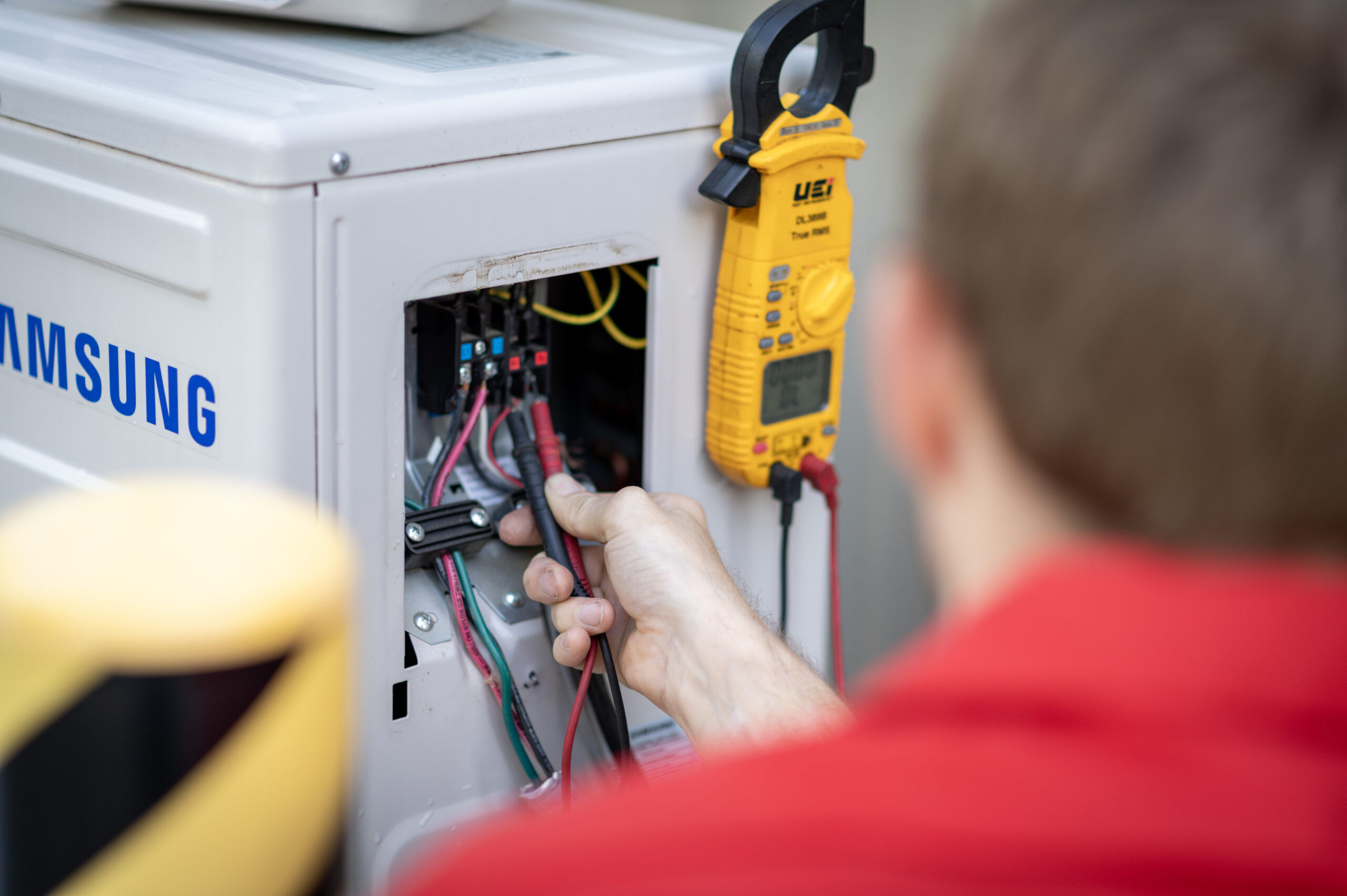
Common causes include overheated blower bearings, a failing blower motor, shorted control boards, or damaged compressor connections; technicians use thermal imaging, multimeters, and visual checks to locate hot spots and charring. Typical repairs range from a capacitor replacement ($50-$150) to motor swaps ($300-$800) or control board work ($200-$600). In Rogersville’s humid summers the extra load can accelerate wear, so avoid running a unit that smells burned and get professional diagnostics promptly.
Excessive Moisture or Leakage
When you spot water stains, sagging drywall, or a musty smell, your AC may be leaking-central systems can remove 20-50 pints of moisture per day, so even small failures cause big problems. Common causes include a clogged condensate drain, cracked drain pan, or a frozen evaporator coil that melts and overflows. Ignore it and you risk mold growth, structural damage, and electrical hazards; shut the system off and have a pro inspect the drain and coil.
Water Accumulation Around the Unit
When puddles appear under your air handler or on the outdoor pad, persistent pooling-especially more than a quarter inch or returning within hours-signals an active leak. Indoor condensate line clogs and damaged pans are frequent culprits; outdoors, blocked condensation routes or a cracked line can cause runoff. You should address visible rust, damp insulation, or standing water quickly to avoid short circuits and corrosion, and call an HVAC technician if simple clearing doesn’t stop the accumulation.
Increased Humidity Levels Indoors
If your home feels muggy while the AC runs, check relative humidity: you should keep it between 30-50%; sustained readings above 60% promote mold and discomfort. Poor dehumidification often points to dirty coils, low refrigerant, inadequate airflow, or an oversized unit that short-cycles. Use your thermostat’s RH readout or a hygrometer to monitor levels and schedule service when running the system doesn’t lower humidity.
In Rogersville summers, outdoor relative humidity frequently exceeds 70%, so a properly functioning system should still achieve a comfortable indoor RH well under 60%. Technicians diagnose this by measuring supply/return temps and delta‑T (typically 16-22°F); a low delta‑T combined with high indoor RH usually indicates restricted airflow, a fouled evaporator coil, or low refrigerant charge. Fixing those restores dehumidification, improves comfort, and helps prevent mold infestations.
Age of the AC System
After about 12-15 years many central AC units lose efficiency, develop compressor and coil issues, and require more frequent fixes. If your system is over a decade old you’ll likely see energy bills rise by 10-25%, more frequent service calls, and reduced cooling capacity. In Rogersville homes with older systems that use R-22, refrigerant costs can make repairs prohibitively expensive, pushing replacement toward the better long-term value.
Lifespan Considerations
Regular maintenance can extend service life, but major components like compressors and condensers typically fail around year 10-15. For example, a unit installed in 2008 with annual tune-ups still suffered a seized compressor at 13 years. Modern systems with 14-20 SEER ratings deliver 20-40% better efficiency than older 8-10 SEER units, so you should weigh remaining useful life against potential energy savings when deciding to replace.
Signs It’s Time for Replacement
If you’re calling for repairs more than twice a year, or a single repair estimate exceeds about half the cost of a new system, replacement should be strongly considered. You should also act if you notice burning smells, refrigerant leaks, rapid cycling, or persistent uneven cooling-these indicate serious failures and safety risks that favor replacing over repairing.
To give context: compressor replacements often run $1,500-$3,000, while a full system replacement in Rogersville typically ranges $5,000-$8,000 depending on capacity and SEER. A recurring R-22 recharge costing $600-$1,200 is another red flag because production was phased out, driving up prices. If your unit is older than 10 years and repair bills approach 50% of replacement, you’ll usually save money and gain comfort by upgrading now.
Final Words
Air conditioning problems rarely fix themselves. Warning signs like uneven cooling, rising energy bills, strange noises, frequent cycling, moisture leaks, or burning odors often indicate underlying issues that worsen quickly in Rogersville’s hot, humid summers. Acting early helps prevent system breakdowns, safety risks, and expensive repairs such as compressor or coil failure.
The smartest approach is to treat these symptoms as early alerts. Prompt inspection and repair can restore efficiency, improve comfort, and extend the life of your AC system. Delaying service not only increases repair costs but can also lead to poor indoor air quality, excess humidity, and higher monthly energy bills.
This is where HVAC Master Heating & Air Conditioning LLC can help. HVAC Master Heating & Air Conditioning LLC provides professional AC repair and diagnostics for Rogersville homeowners, with licensed technicians who identify problems accurately and recommend the most cost-effective solution. Whether your system needs a minor repair, preventative maintenance, or guidance on replacement, our team focuses on protecting your comfort, safety, and long-term investment.
If your AC is showing any of these warning signs, scheduling service sooner rather than later can save you money and prevent major disruptions when you need cooling the most.